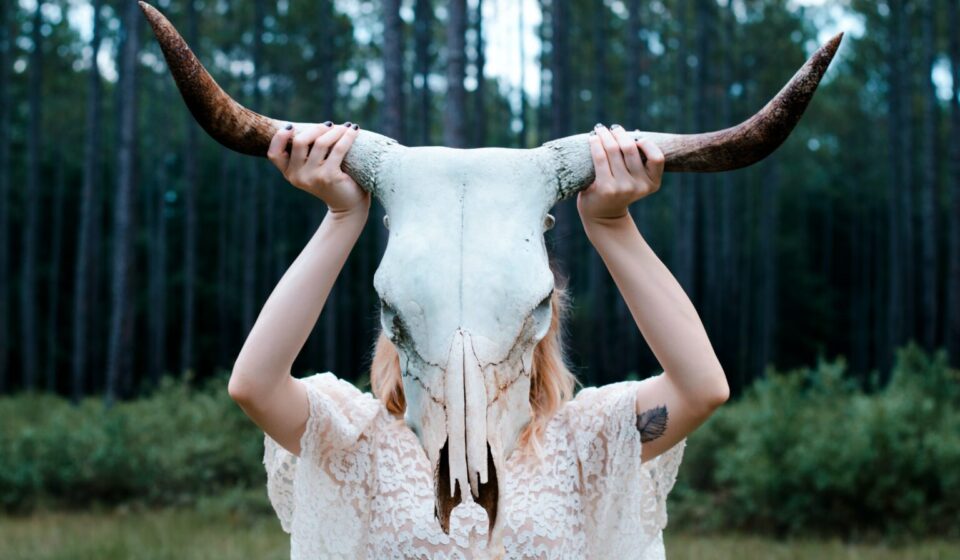

From historical persecution to modern spirituality, the image of the witch has transformed dramatically over the centuries.
For centuries, witches have been portrayed as mysterious women living in isolated forests, brewing potions, casting spells, and practicing forbidden magic. These images, popularized through folklore, fairy tales, and literature, have shaped how many people understand witchcraft today.
Modern research, however, suggests that this traditional image tells only part of the story. Historians, anthropologists, and contemporary spiritual practitioners increasingly recognize that witchcraft has taken many different forms across cultures, genders, and historical periods.
Understanding Spiritual Traditions
Before exploring modern witchcraft, it is important to distinguish between contemporary spiritual practices and traditional religious beliefs.
Religions such as Santería, Vodou, Louisiana Voodoo, and Hellenism each have their own histories, rituals, and cultural significance. While outsiders sometimes group these traditions under the broad label of “witchcraft,” many practitioners consider them sacred religions rather than magical practices.
Understanding these cultural differences helps avoid misunderstandings and encourages respectful discussions about spirituality.
How History Shaped the Image of the Witch
The popular image of witches largely emerged during the European witch hunts between the 15th and 18th centuries.
One of the most famous examples remains the Salem Witch Trials of 1692 in colonial Massachusetts, where dozens of people were accused of practicing witchcraft. These events strengthened the stereotype of witches as women associated with supernatural powers and persecution.
Historical evidence, however, paints a more complex picture. In several European regions—including Iceland, Estonia, and parts of Russia—large numbers of men were also prosecuted for alleged witchcraft. These records challenge the common belief that witchcraft accusations were directed exclusively at women.
Were There Male Witches?
The idea that only women could be witches is largely a product of modern popular culture.
Throughout history, male practitioners of magic have been described using various titles, including:
- Warlock
- Wizard
- Sorcerer
- Hexenmeister
In Old English, wicca referred to a male practitioner, while wicce referred to a female practitioner. Over time, these linguistic distinctions gradually disappeared from everyday language.
Fiction has also introduced many well-known male magic users, such as Gandalf from The Lord of the Rings and Harry Potter. Although they are usually called wizards, they demonstrate that magical practitioners have never been limited to one gender.
Witchcraft in the Digital Age
The rise of social media has transformed conversations about witchcraft.
Platforms such as TikTok, Instagram, and YouTube have introduced millions of users to tarot reading, astrology, herbalism, meditation, journaling, and manifestation. Some people embrace these practices as part of their spiritual beliefs, while others use them for self-reflection or mindfulness.
This online visibility has also encouraged discussions about diversity and inclusion within modern spiritual communities.
Gender and Contemporary Witchcraft
Many contemporary practitioners believe that witchcraft is accessible to anyone, regardless of gender identity.
Men, women, transgender, non-binary, and intersex individuals all participate in modern spiritual communities for different personal reasons. For some, witchcraft represents a path toward healing, creativity, self-discovery, or a stronger connection with nature.
These perspectives reflect contemporary spiritual beliefs and should not be interpreted as universally accepted historical or scientific conclusions.
Why the Perception of Witches Continues to Change
Public attitudes toward witchcraft continue to evolve alongside society.
While earlier generations often associated witches with fear, superstition, and persecution, many people today explore the subject through history, folklore, literature, psychology, and spirituality. At the same time, scholars continue to study how different cultures have understood magic, religion, and the supernatural throughout history.
As a result, the modern image of the witch has become more diverse than ever before.
Conclusion
The traditional image of a witch no longer reflects the full complexity of witchcraft throughout history.
From historical records and folklore to modern spiritual movements, the concept of the witch continues to evolve. Whether viewed as a historical figure, a literary symbol, or a spiritual identity, the witch remains one of the most fascinating figures in human culture.
Exploring this topic with curiosity, historical context, and respect for different beliefs allows for a deeper understanding of both the past and the present.
Editorial Note
This article explores historical records, folklore, and contemporary spiritual perspectives on witchcraft. Beliefs and practices discussed vary among cultures and individuals and should not be interpreted as established scientific facts.
References
- Ronald Hutton — The Witch: A History of Fear
- Owen Davies — Grimoires: A History of Magic Books
- Encyclopaedia Britannica — Witchcraft
- History.com — Salem Witch Trials
- Salem Witch Museum