The Ghosts of Britain: Why Haunted Places Continue to Fascinate Visitors in 2026
July 2026 – Britain has long been known as one of the world’s most haunted destinations. From centuries-old castles to abandoned prisons and historic inns, ghost stories continue to attract thousands of visitors every year. In 2026, interest in paranormal tourism remains strong as travelers seek unique experiences that combine history, mystery, and local folklore.
Many of the United Kingdom’s historic buildings have stood for hundreds of years, surviving wars, fires, and major political changes. Over time, these locations have become associated with unexplained events, mysterious sightings, and legends passed down through generations. While there is no scientific proof that ghosts exist, these stories continue to capture the imagination of both locals and international tourists.
One of Britain’s most famous haunted landmarks is the Tower of London. Built in the 11th century, the fortress has witnessed executions, imprisonment, and political intrigue throughout its history. Visitors and staff have reported strange sounds, unexplained shadows, and sightings of historical figures believed to be connected to the castle’s tragic past. Among the most famous legends is the ghost of Anne Boleyn, the second wife of King Henry VIII, who was executed there in 1536.
Another location frequently mentioned in ghost stories is Borley Rectory in Essex. Although the original building no longer stands, it earned the nickname “England’s Most Haunted House” after decades of reports describing ghostly apparitions, mysterious footsteps, and objects moving without explanation. Paranormal investigators still discuss the site’s history, making it one of Britain’s most well-known supernatural legends.
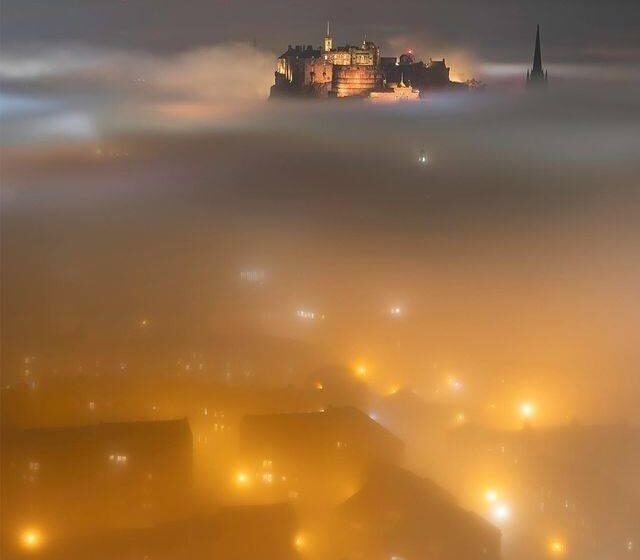
In Scotland, Edinburgh Castle continues to attract visitors interested in both history and the paranormal. Sitting atop Castle Rock, the fortress has a history stretching back nearly a thousand years. Numerous ghost tours describe sightings of phantom soldiers, mysterious drummers, and unexplained noises echoing through the castle’s underground passages. Whether these experiences are supernatural or simply products of the castle’s atmospheric surroundings remains a topic of debate.
Ghost tourism has become an important part of Britain’s travel industry. Cities such as York, Edinburgh, and London regularly offer guided ghost walks that explore haunted streets, cemeteries, and historic buildings after dark. Professional guides combine historical facts with local legends, creating entertaining experiences for visitors regardless of whether they believe in ghosts. These tours have grown increasingly popular among families, history enthusiasts, and international travelers looking for something different from traditional sightseeing.
Experts suggest that the popularity of ghost stories is closely connected to Britain’s rich history. Ancient castles, medieval churches, and centuries-old villages naturally inspire curiosity about the people who once lived there. Many historians believe that ghost legends help preserve local heritage by encouraging people to learn about historical events in a memorable way.
Scientists and psychologists, however, offer alternative explanations for many paranormal experiences. Poor lighting, unusual acoustics, environmental conditions, stress, and the power of suggestion can all influence how people interpret unfamiliar sights and sounds. Research into paranormal claims has yet to produce conclusive scientific evidence supporting the existence of ghosts.
Despite the ongoing debate, Britain’s haunted locations continue to thrive as tourist attractions in 2026. Whether visitors are searching for genuine paranormal encounters or simply enjoying fascinating stories from the past, these legendary sites remain an unforgettable part of the country’s cultural identity. The combination of history, mystery, and centuries-old folklore ensures that Britain’s ghost stories will continue to captivate new generations for years to come.