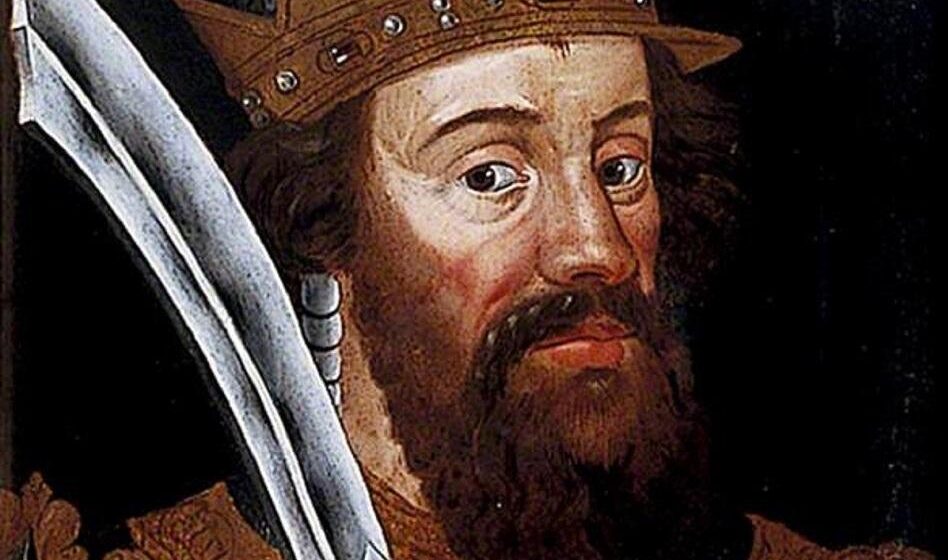
House of Normandy: The Royal Dynasty That Changed England Forever

The House of Normandy is one of the most influential royal dynasties in English history. Its rise to power began in 1066, when William the Conqueror, Duke of Normandy, defeated King Harold II at the famous Battle of Hastings. This victory marked a turning point that reshaped England’s political system, culture, language, and architecture for centuries to come. Historians widely regard the Norman Conquest as one of the most significant events in British history because it transformed England into a stronger and more centralized kingdom.
Before becoming King of England, William ruled the Duchy of Normandy in northern France. After the death of King Edward the Confessor, William claimed that Edward had promised him the English throne. However, Harold Godwinson was crowned king instead. Determined to enforce his claim, William assembled a powerful Norman army and crossed the English Channel.
On October 14, 1066, the two armies met at the Battle of Hastings. After hours of intense fighting, Harold II was killed, and William emerged victorious. Later that year, on Christmas Day, William was crowned King of England at Westminster Abbey, officially beginning Norman rule.
William understood that conquering England was only the first step. To secure his kingdom, he ordered the construction of hundreds of castles across the country. These stone fortresses served as military strongholds and symbols of royal authority. Among the most famous is the White Tower, the central keep of the Tower of London, which remains one of Britain’s most iconic landmarks today.
Another remarkable achievement of William’s reign was the creation of the Domesday Book in 1086. This comprehensive survey recorded land ownership, property values, livestock, and population throughout much of England. It allowed the king to collect taxes more efficiently and strengthen royal administration. Even today, historians consider the Domesday Book one of the greatest historical records from medieval Europe.
The Norman rulers also introduced the feudal system, reorganizing society around loyalty, military service, and land ownership. Land was granted to Norman nobles in exchange for their support, while peasants worked the land under the protection of local lords. Although the system created a strict social hierarchy, it also helped establish political stability after the conquest.
One of the most lasting impacts of the House of Normandy was its influence on the English language. The Norman aristocracy spoke French, while ordinary people continued using Old English. Over time, these languages blended together, creating thousands of new words that eventually evolved into Middle English. Many modern English legal, governmental, and culinary terms still have Norman French origins.
Following William’s death in 1087, his sons William II and Henry I continued Norman rule. Henry I proved to be a capable administrator who strengthened the monarchy and improved the kingdom’s legal system. However, after his death in 1135, a succession crisis triggered a civil war known as The Anarchy, eventually paving the way for the rise of the House of Plantagenet.
Although the House of Normandy ruled England for less than a century, its influence far outlasted its reign. The dynasty established stronger royal authority, transformed England’s legal and administrative institutions, introduced magnificent castles, and forever changed the nation’s language and culture. Without the Norman Conquest, England’s history—and even the development of the English language—might have taken a completely different path.
Today, the legacy of the House of Normandy remains visible across Britain. Historic castles, medieval records, and enduring traditions continue to remind the world that William the Conqueror’s victory in 1066 was not merely a military triumph—it was the beginning of a new era that shaped the future of England and laid the foundation for the modern British monarchy.