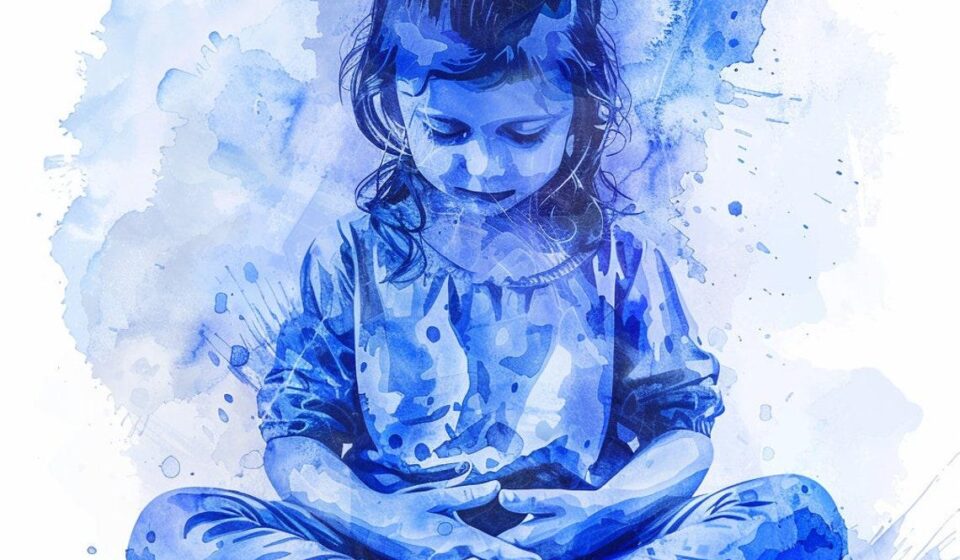

The concept of Indigo Children has fascinated people around the world for decades. According to New Age beliefs, Indigo Children are individuals who possess extraordinary spiritual awareness, strong intuition, and unique psychological characteristics. Many supporters believe these children are born with a special purpose to improve society and guide humanity toward a better future. Although the idea has gained popularity through books, documentaries, and online communities, it remains controversial because there is no scientific evidence confirming the existence of Indigo Children.
The Origin of the Concept
The term “Indigo Children” was introduced in the 1970s by Nancy Ann Tappe, a parapsychologist who claimed she could perceive people’s aura colors. She believed that many children born during the late twentieth century had indigo-colored auras, representing wisdom, creativity, and spiritual sensitivity. Later, authors Lee Carroll and Jan Tober popularized the idea through their book The Indigo Children, making the concept widely known around the world.
Common Characteristics
People who believe in the Indigo Child concept often describe these children as having several distinctive characteristics, including:
- High intelligence and creativity.
- Strong intuition and empathy.
- A deep sense of justice and fairness.
- Curiosity about spiritual or supernatural topics.
- Independence and resistance to authority.
- Feeling different from their peers.
- Exceptional problem-solving abilities.
Some also believe that Indigo Children possess psychic abilities such as telepathy, precognition, or communicating with spirits. However, these claims have not been verified through scientific research.
Scientific Perspective
From a scientific point of view, psychologists and researchers do not recognize Indigo Children as a proven psychological or medical category. Experts argue that many characteristics associated with Indigo Children—such as creativity, emotional sensitivity, and independence—can be found in many children. Some behaviors may also be explained by personality differences, giftedness, or developmental conditions rather than supernatural abilities. Critics also point out that the descriptions are often broad enough to apply to a large number of people.
Cultural Influence
Despite the lack of scientific evidence, the Indigo Child concept continues to influence popular culture. Books, films, television programs, and social media frequently discuss Indigo Children and their supposed abilities. In many countries, some families believe that children with unusual intuition or emotional sensitivity may be Indigo Children. Others view the concept as a spiritual belief rather than an objective fact.
Conclusion
The idea of Indigo Children remains an interesting topic that combines spirituality, psychology, and popular culture. While many people believe these children possess extraordinary abilities and a special mission, scientific research has not confirmed these claims. Whether viewed as a spiritual belief or a cultural phenomenon, the concept encourages discussion about human potential, individuality, and the importance of understanding children’s unique personalities.