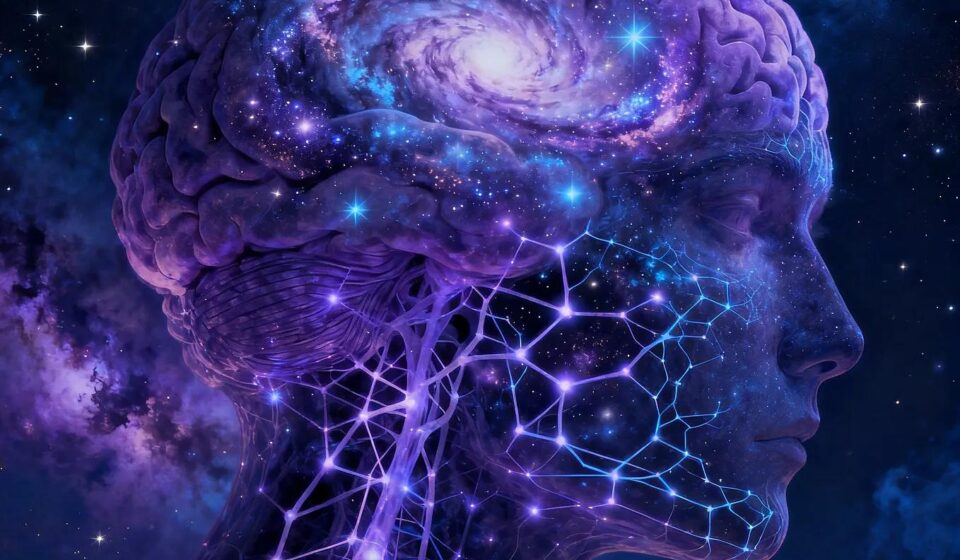
The Growing Fascination with Indigo Individuals in Modern Society

London – The concept of indigo individuals continues to attract worldwide attention as discussions surrounding spirituality, intuition, and personal development become increasingly popular. Social media platforms, podcasts, books, and online forums have helped introduce the idea to millions of people, creating both curiosity and debate. While supporters believe indigo individuals possess extraordinary emotional and spiritual qualities, experts continue to emphasize that these claims remain outside the scope of established scientific evidence.
The term “indigo child” first gained recognition in the late twentieth century through spiritual literature. It was used to describe children believed to possess exceptional intuition, creativity, empathy, and wisdom beyond their age. According to supporters, these individuals often demonstrate strong leadership qualities, independent thinking, and a deep desire to improve society. Over time, the label expanded beyond children and is now commonly used to describe adults who identify with similar personality traits.
In recent years, online communities have played a significant role in reviving interest in the concept. Videos discussing indigo personalities frequently receive millions of views, while blogs and discussion groups encourage people to share personal experiences. Many participants describe feeling different from others throughout their lives, often claiming heightened sensitivity to emotions, strong intuition, or a natural attraction to spiritual practices such as meditation and mindfulness.
The growing popularity of wellness and self-discovery movements has also contributed to renewed interest in indigo individuals. As more people seek meaning beyond traditional lifestyles, concepts related to emotional intelligence, consciousness, and personal growth have become common topics of discussion. Supporters argue that the indigo concept offers a framework for understanding unique personality traits and encourages individuals to embrace compassion, creativity, and purpose.
Despite its popularity, scientists and mental health professionals urge caution when interpreting such claims. Researchers note that there is currently no scientific evidence demonstrating that indigo individuals possess supernatural abilities or psychic powers. Many characteristics commonly associated with indigo personalities—including empathy, creativity, curiosity, and emotional sensitivity—are recognized as normal variations of human behavior and personality rather than indicators of extraordinary phenomena.
Psychologists also warn that assigning supernatural labels to children or adults may sometimes create unrealistic expectations or overlook other explanations for their behavior. Instead, experts recommend evaluating each individual based on observable strengths, emotional well-being, and personal development. They emphasize that nurturing creativity, resilience, and emotional health is beneficial regardless of whether someone identifies with the indigo concept.
The debate surrounding indigo individuals highlights the broader relationship between personal belief and scientific inquiry. For many people, the idea represents a symbolic way of describing highly empathetic or creative personalities rather than a literal claim of supernatural abilities. Others view it as part of their spiritual journey, finding inspiration in communities that encourage self-reflection and emotional awareness.
As interest continues to spread globally, the discussion remains both fascinating and controversial. Books, documentaries, and online creators continue to explore the subject from various perspectives, ensuring that the concept remains relevant in popular culture. Whether regarded as a spiritual belief, a psychological interpretation, or simply a cultural phenomenon, the idea of indigo individuals continues to spark conversations about human potential, identity, and the search for meaning in an increasingly connected world.
Experts ultimately encourage readers to approach the subject with curiosity while maintaining critical thinking. Exploring different perspectives can be valuable, but extraordinary claims should be evaluated carefully using credible evidence and reliable research. This balanced approach allows individuals to appreciate the cultural significance of the indigo concept while recognizing the importance of scientific understanding and informed discussion.