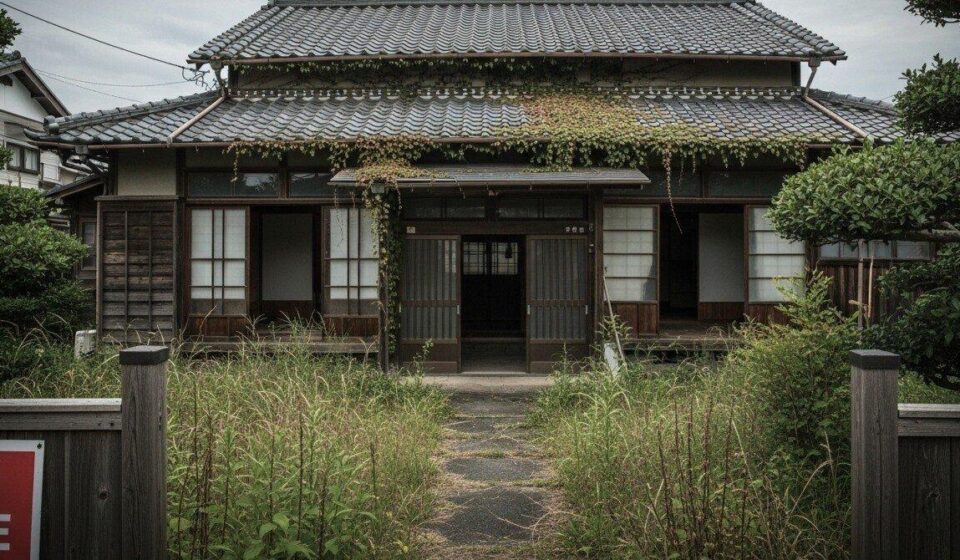
Japan’s ‘Ghost-Free’ Home Inspections Spark Global Interest in Haunted Property Market

TOKYO, August 1, 2026 – A unique real estate service in Japan is attracting worldwide attention after professional investigators began offering overnight inspections inside allegedly haunted homes to reassure potential buyers that the properties are free from paranormal activity. The unusual business has become one of the country’s fastest-growing niche services as Japan continues to face a rising number of vacant homes linked to tragic events and local ghost stories.
Known in Japan as “jiko bukken,” these properties are homes where previous occupants may have died from natural causes, accidents, crimes, or suicide. Although there is no scientific evidence that ghosts inhabit these houses, many Japanese buyers remain reluctant to purchase or rent them because of cultural beliefs and psychological concerns. As a result, these properties often sell for significantly less than comparable homes in the same neighborhood.
To overcome this challenge, specialized companies now employ investigators who spend an entire night inside the allegedly haunted houses. During the inspection, they document any unusual sounds, structural issues, electrical faults, or environmental factors that could explain reports of paranormal activity. If nothing unusual is discovered, the company issues a report stating that no evidence of supernatural events was observed during the overnight stay. While such reports cannot scientifically prove a house is “ghost-free,” they provide reassurance for many hesitant buyers.
The inspection service typically costs around 88,000 yen (approximately US$550), and demand has increased steadily over the past year. Real estate experts say the service helps property owners market homes that might otherwise remain vacant for years due to lingering public stigma. Japan already faces a growing inventory of abandoned houses, making innovative solutions increasingly valuable for homeowners and developers.
Experts emphasize that the investigations focus on practical observations rather than proving or disproving the existence of ghosts. Professionals inspect building conditions, monitor environmental noises, and remain on-site throughout the night. Most investigations conclude without any unexplained incidents, reinforcing the view that many reported hauntings can be attributed to ordinary causes such as aging buildings, wildlife, or environmental conditions.
Despite the lack of scientific evidence supporting paranormal claims, public fascination with haunted locations continues to grow worldwide. Television programs, podcasts, and online videos dedicated to ghost investigations attract millions of viewers every year. Interest in haunted tourism has also expanded, with historic buildings, abandoned hospitals, and centuries-old castles drawing visitors curious about local legends and unexplained stories.
Psychologists suggest that belief in ghosts is often influenced by cultural traditions, personal experiences, and the human tendency to search for explanations during unusual situations. Sounds produced by old buildings, changes in temperature, or low lighting can sometimes be interpreted as paranormal events, particularly in locations already associated with mysterious histories.
Real estate analysts believe Japan’s inspection service could inspire similar businesses in other countries where haunted properties carry a social stigma. While some critics argue that the service primarily provides psychological comfort rather than scientific proof, supporters say it offers buyers greater confidence before making significant financial decisions.
For now, the overnight inspection business remains one of the most unusual developments in Japan’s housing market. Whether viewed as a practical marketing strategy or simply an intriguing cultural phenomenon, the service reflects the enduring public fascination with ghost stories and the unknown. As haunted legends continue to capture imaginations around the world, businesses like these demonstrate how folklore, culture, and modern real estate can unexpectedly intersect in today’s property market.